Friday, April 1, 2011

Cheese is everyone's favorite food. Not mine!

Today our program took us Casale of Martignano to show us how cheese is made. This farm is located on a volcanic lake in the country side of Rome. The Agriturismo of Martignano is famous for its honey and cheese production as well as a variety of fruits and vegetables. An agriturismo is a place that serves food to guests that was prepared from raw materials produced on the farm or locally.


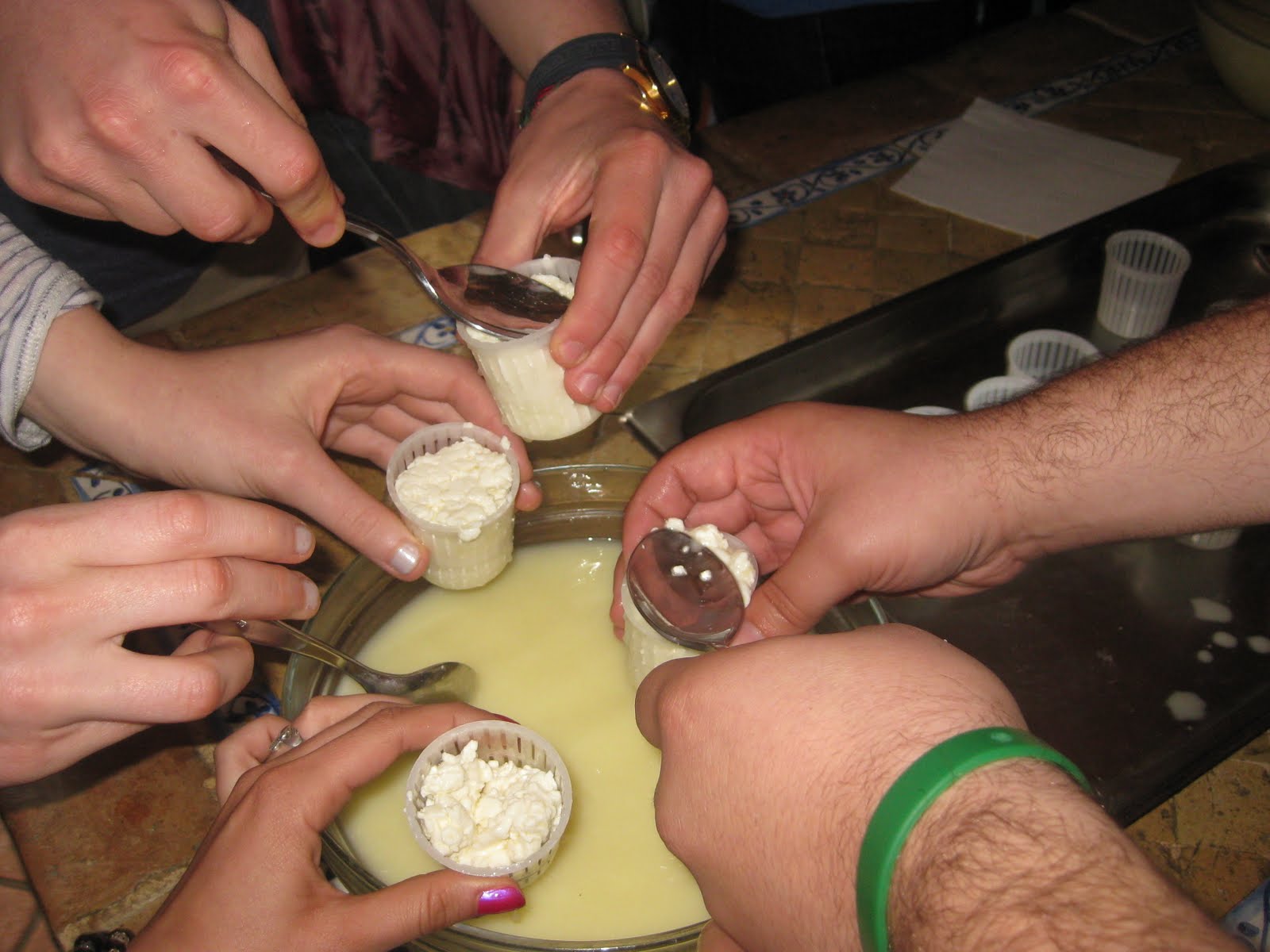
The main types of cheeses made at this farm are: Fresh Caciotta, Ricotta, Caciofiore di Columella, and Cacioricotta. The purpose of today's field trip was to see how cheese is made. The owner of the Agriturismo made Caciotta Romana right in front of us. This is how you make cheese: 1. Heat up milk (sheep milk) to about 37*C. Sheep milk is used because they raise them on their farm. Sheep only eat grass and not prepared food, so this milk is healthier to consume than cow’s milk which is a lot fattier. 2. Add an enzyme, different for each cheese being produced, to coagulate the milk. 100 L of milk needs 30grams of enzyme for coagulation. Once the milk has harden and become jello-like, it is time to start cutting. The second enzyme that is left over in the pan after the hardening occurs is used to make ricotta. Ricotta means cooked twice. The milk is reheated to 80*C to make ricotta. The milk is stirred and cut, allowing the whey to drain off by forming lots of cheese curds. Smaller cubes are softer while larger cubes are harder. 4. When the whey removal process is finished, the warm curd is molded or shaped into a cheese.

We were allowed to shape the cheese being made. After seeing how cheese is made, it seems like such an easy process. I did not like cheese before going on this field trip, and now I like it less because now I know what is put into it, kind of gross.

At the end of the field trip we were allowed to taste all the cheeses that are made on this farm. They specialize in Caciotta fi Pecora Primo Sale, Cacio Alsietino, Cacio Taleggio, Formaggio Speziato, Fresh Ricotta, and Cooked Riccotta. I however reframed and enjoyed the other food that was offered. The farm was located on a beautiful private beach with lots of greenery. We all sat outside in the sun after lunch and enjoyed the gorgeous weather. Rome in the spring time is beautiful! I cannot wait to spend more days outside and enjoy the weather!

Some popular Italian cheeses:

Caciotta: Simple and rural cheeses from Italy that can be made from either a cow or sheep’s milk. These cheeses are soft and mild.

Mozzarella: This cheese is made from cow’s milk which turns out to be mild and delicate. Eating with tomato and basil, a caprese salad, is one of Italy’s most prized appetizers.

Parmigiano: Named after a town in Northern Italy called Parma. It is the most popular and used cheese throughout the world. It is used primarily as a topping on a pasta dish.

Ricotta: Cheese made from a cow or sheep’s milk. The best type of ricotta is firm, white, creamy, and mild with a bit of moisture. Ricotta is used primarily to make lasagna, but also as a cheese spread.

Saturday, March 26, 2011

Diet Coke vs. Coca Cola Light

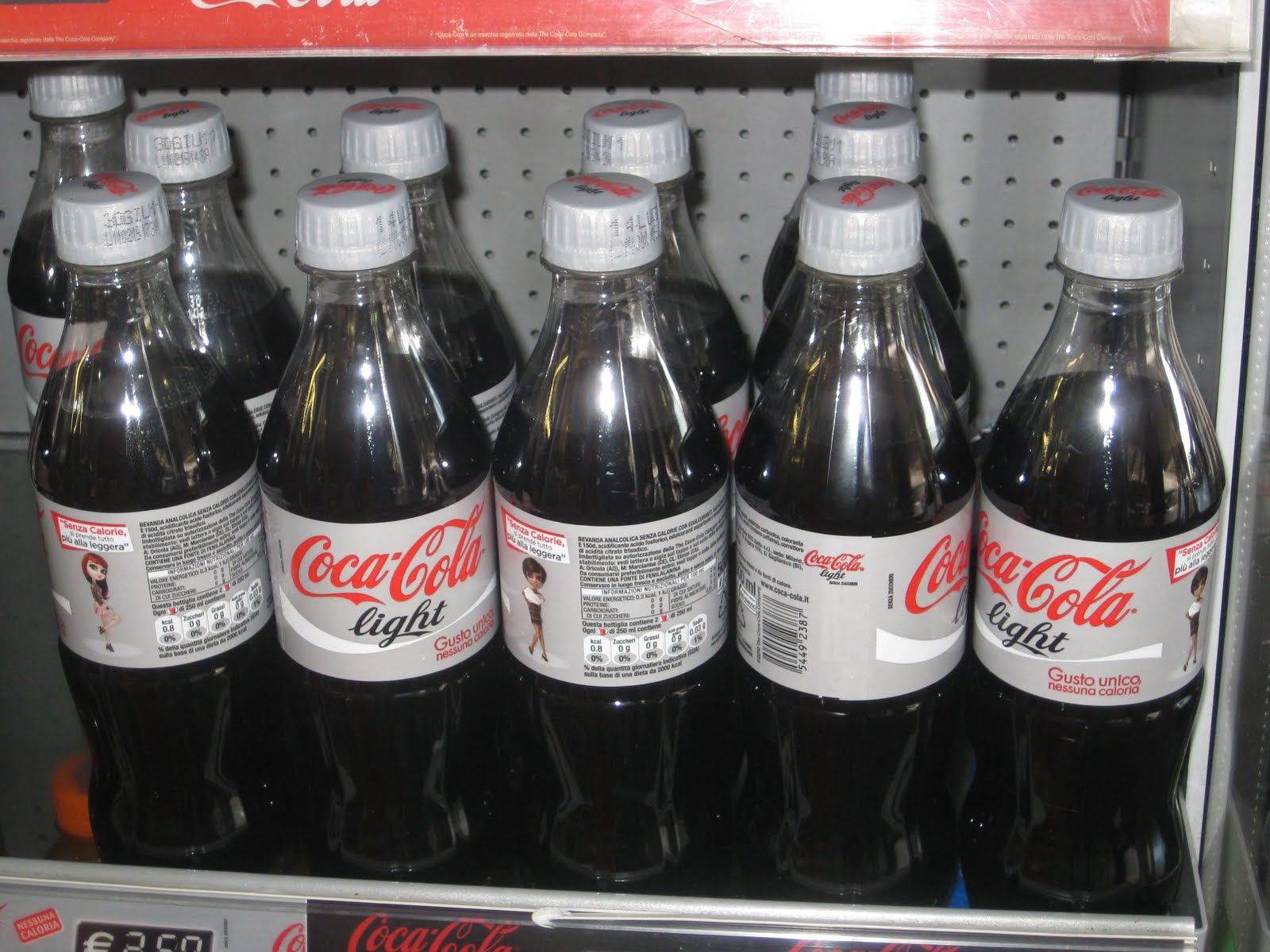
Diet Coke is my favorite drink, even over water. Diet Coke was born in 1982 and became the No. 1 sugar-free drink in America. It is referred to as Coca-Cola light in some countries, and in many European cities. It's now the No. 3 soft drink in the world. Diet Coke is the drink for people who want no calories, but plenty of taste.

I drink a lot of pop. At home, in the US, I consume about 3 cans of pop a day on average of Diet Coke. A can of pop in the US ranges from .75 cents to 1 dollar. I drink a can at lunch, one for a snack, and then either during or after dinner. This seems like an extreme amount of pop to drink in a day; some would think I have an addiction to diet coke, and I think I might. I like the taste of Diet Coke more over coke, also because there are no calories, but I like the carbonation as well. It is probably very bad for my health to consume this much pop, but I can’t help it. I thought that I would slow down on my pop addiction when I got to Rome, which I have, but I still consume about one pop every day or every other day. Instead of diet coke, Rome and many other cities in Europe sell Coca Cola Light. The only place that I have seen Diet Coke was in Ireland this past week. Coca Cola Light is much more expensive to purchase in Europe than it is in the states. The cheapest can I have bought was .50 euro and the most expensive one was 2.80 euro, which I found at the airport. That is almost 5 dollars for a tiny can of pop. Most stores sell a can of pop for 1.50-2.50 euro, but the best price is at the grocery store ranging from .50-1 euro. I do consume less pop here, however I am paying just the same price as if I were buying 3 cans a day at home. The Coca Cola Lights also tastes very different than Diet Coke. The syrup is more sweet and thicker, with less carbonation. I also feel like the Coca Cola Light can have less amounts of pop in it for the price. Basically, it is not worth my money buying pop here, but I cannot resist. The first thing I noticed in a grocery store in Dublin was that there was Diet Coke. At first I thought maybe it would still taste like a Coca Cola Light, but I was wrong. It was also 1.50 euro for the can which is much cheaper than Rome and other parts of Europe. I opened up the can, took a sip, and had the biggest smile on my face. It was real diet coke, just like it tastes back in America. I enjoy drinking the Coca Cola Light in Rome, but I think it is overrated for the price. Diet Coke is by far the best soda pop to drink, hands down, but especially from America. Cheap and tasty!

Tuesday, March 8, 2011

Carnevale Pastries

This past weekend, I went to Venice, Italy for Carnevale. I bought a mask, took a gondola ride, went up the Bell Tower, people watched, bought some Murano glass, and had a fun filled weekend experiencing Venice Carnevale. I was not allowed to leave Venice until I had a Fritelle.

Frittelle, or fritters, are the most famous sweets (doughnuts) of Venice Carnevale. Frittelle begin showing up in pastry shops, bakeries, and snack bars during the weeks leading up to Carnevale di Venezia. When Carnival is over, frittelle disappear from the store windows almost as quickly as tourists in masks or costumes vanish from the Piazza San Marco. Like doughnuts, frittelle come in a variety of styles, both filled and unfilled.

Frittelle veneziane. No filling, but with raisins and pine nuts mixed into the dough. After frying, the frittelle are rolled in granulated sugar.

Frittelle con crema chantilly. Filled with a vanilla-flavored pastry cream and rolled in granulated sugar. (This is the one I tried, so yummy!!!)

Frittelle con cioccolata. Filled with a chocolate-flavored pastry cream and rolled in granulated sugar.

Frittelle con zabaione. Filled with a Marsala-flavored pastry cream and rolled in granulated sugar.

Frittelle con mele. For each fritter, a ring of apple is covered in batter and fried. An apple frittella looks something like a doughnut, with a flat shape and a hole in the center.

Some Fritelle are filled with Nutella or Tiramisu.


Below is a link showing the steps on how to make a Frittelle.

http://www.annamariavolpi.com/frittelle.html

Some other popular Fritter sweets of Carnevale are ribbons of pasta fried and covered with sugar or honey. These fritters are popular all over Italy with many different names such as Frappe, Frappole, Sfrappole, Flappe in central Italy, Cenci (“tatters”) or Donzelli (“young ladies”) in Tuscany, Bugie (“lies”) in Piemonte, Gigi in Sicily and other names in other regions.

Below is a link showing the steps on how to make a Frappe.

http://www.annamariavolpi.com/frappe.html

I liked the Carnevale sweet, but I prefer chocolate pastries. However, Italian sweets are not often made with chocolate....grrrr

Sunday, February 27, 2011

Wine: White, Rose, Sparking, and Red

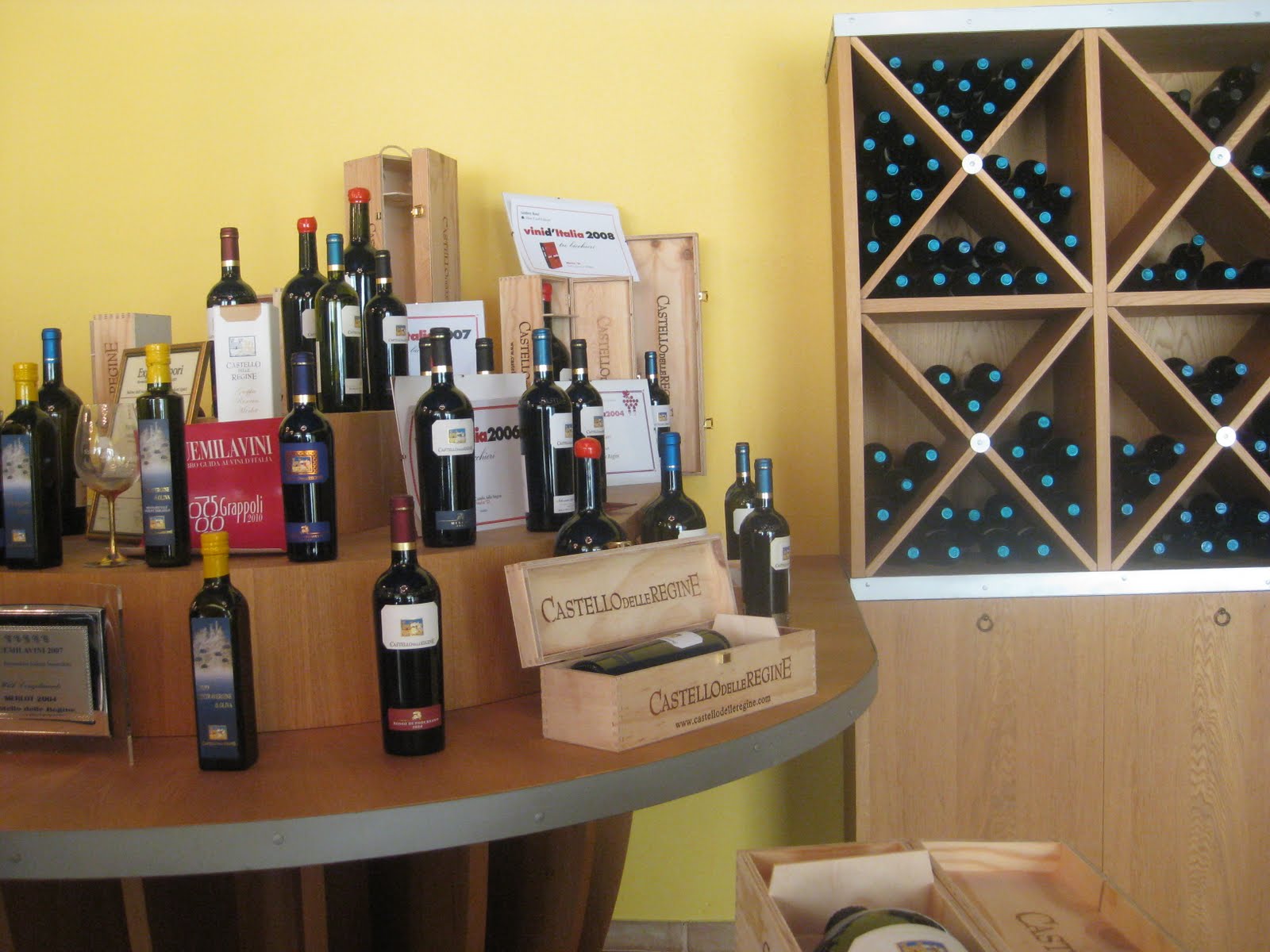
Wine plays an important role in Italian culture. It dates back to ancient times when wine was developed as a social feature to everyday life, and that quality is still prevalent today. The definition of wine is an alcoholic beverage produced through the fermentation of fruits, mainly grapes, containing natural sugars. When wine ferments, the yeasts convert the sugars to carbon dioxide and alcohols such as ethanols and other chemicals that add to the character of the wine. The key factors to making/producing wine include climate zones, a temperate zone is ideal, altitude, and soil composition and texture. The differences in these key factors contribute to the differences in flavor and body in the wines. The main parts of the grape that contribute to the wine are the skins (color), the pulp (vitamins and minerals), and the seeds of pits (flavor and tannins).


The main components of wine are water, alcohol, acids, sugars, mineral salts, flavoring and coloring substances, odorous substances, and sulfites. Wines can be: white, rosese, sparkling, or red. Red wines are made from macerating red grapes and using all of the grapes to produce the wine. White wines are actually made from red grapes, but the skins are separated from the juice so that the wine stays clear with no color. Rose wines are made with limited skin contact making the color of the wine a lighter pink color. Sparkling wines are made with special fermentation techniques either Metodo Champenoise (bottle fermentation) or Metodo Charmat (sealed tank fermentation method). The Metodo Charmat is the faster and cheaper and used more frequently to produce sparkling wines.

The main wine producers of the world include France, Italy, Spain, and the United States. The best quality and highest production of wine are mainly from France and Italy. Regional wine is named after where they are produced and cannot be called something else if produced in another region of Europe. For example, Bordeaux is a blend of Merlot, Cabernet Sauvignon, and Cabernet Franc only produced in Bordeaux, France. Therefore, if this combination is made somewhere else, it cannot be called Bordeaux. There are many regions in Italy that adhere to this rule as well such as Tuscany and Piedmont: the best red wines produced in Italy.


The main steps involved with wine tasting are sight, smell, taste, and touch, generally in that order. Sight involves evaluating the color of the wine, considering the clarity of the wine, and evaluating the "tears" left on the sides of the glass after swirling it. In a sparkling wine, effervescence, the amount of bubbles formed, is also looked at. When evaluating the smell of the wine, a wine taster smells for aromas: primary, secondary, and tertiary. Primary aromas come directly from the grape, secondary aromas come from the fermentation of the wine, and the tertiary aromas come from the aging and storing of the wine. Taste is the third step. The four main components of taste involve sweetness, acidity, saltiness, and bitterness. Evaluating the wine is very subjective, but it involves using your creativity to really evaluate the wine and see what you think your senses are grasping.

Lemons

One fruit that correlates with Southern Italy and its cuisine is the lemon: with its bright, sunshine yellow color, tart, refreshing flavor and sweet aroma. The lemon originated in South-East Asia and was transported by Middle Eastern traders into Southern Italy. The finest and most distinctive lemons in Italy come from the Amalfi Coast and the Sorrento Peninsula (around the Bay of Naples). They have been granted IGP (Protected Geographic Indication) status which was approved in 1992 under the European Union. It makes sure that agricultural produce of high reputation and distinction, relative to its geographical source are not imitated. Amalfi Coast lemons are unique. They are a very large fruit, can reach the size of a grapefruit, with a strong scent and a juicy-sweet pulp. They are the secret behind the intense flavor of Limoncello and the desserts prepared in the Amalfi Coast's pastry shops. They are easily distinguished from other lemons in markets because they are the only lemons picked with the stems on. The "Sfusato Amalfitano" is the most famous lemon. It is a kind of lemon which gets its name from its elongated spindle-shape. It is harvested from February to September. Sorrento lemons have an exceptional aroma and flavor. They are elliptical in shape, with a medium thick aromatic skin and an extra-juicy, yellow inside. According to IGP standards, they must weigh no less than 2.8 ounces. The best fruit is harvested between May and October.

Lemons are one of the important staple foods in Sorrento and the Amalfi Coast. The most famous product is Limoncello. It is an Italian lemon liqueur usually served chilled as an after-dinner digestive drink. Limoncello is now considered the national drink of Italy and can be found in stores and restaurants all over Italy. Every store or restaurant has its unique or favorite brand of Limoncello. The Delizia Al Limone, a popular Sorrento dessert is a sponge cake base prepared with fresh lemon juice and covered in a generous layer made up of confectioners custard, fresh cream, limoncello and sugar, all topped with a sprinkling of lemon zest. Other products produced with lemons are lemon chocolate, lemon soap, and lemon flavored candies.

When I went to Sorrento this last weekend, my friend Kim and I stopped to see a Lemon and Orange grove. This grove grows lemons and oranges and then makes their own limoncellos with their produce. We got to sample all the limoncello flavors: orange, lemon, mandarian, and blueberry. They were unbelievably strong, but very tasty so we bought some to bring home. We thought it was a cool gift because the limoncello was made from the lemons/oranges that were grown on that specific grove site. Sorrento and the Amalfi coast would not be the same without the aroma scent of the lemon groves. We also went to a lemon factory shop and got to sample lemon candies: Lemon marzipan, hard candies with limoncello inside, lemon chocolate, and anything else lemon you could think of!


Here is an easy Limoncello recipe. http://www.whats4eats.com/beverages/limoncello-recipe

Limoncello does not really exist in the US, so maybe one day over the summer I will make this refreshing after lunch/dinner liqueur for my friends!

Wednesday, February 23, 2011

Aperitivo. Buy a drink and eat for free!

Apertivo in Italy is a pre-dinner drink meant to open the palate and give you a chance to socialize, nibble, and relax as dinner is about to approach. Aperitivos take place in restaurants/ bars where there is a buffet of food served from around 7:30-10. It is usually 6-8 euro (around $10) for a drink and the buffet, but drinks are usually 5-6 euro without food, so it is a deal! You get to choose any drink and eat as much food as you possibly can. Most Italians only take a few bites of their food and use it as an appetizer, but students and Americans use it as a cheap meal and eat an overload of food. Apertivo Italiano is NOT a “Happy Hour” which is what the Americans normally think of when they hear the reference. Happy Hour in the U.S. is a perception about getting a drink “discount” while eating appetizer foods, but that is not how it is viewed in Italy. What is offered with your aperitivo drink really depends on the bar. A few olives and potato chips are the classic offering, though some get very elaborate with fresh pizza, fruit salads, hot pasta dishes, cold cuts like prosciutto, pastries and fresh mozzarella/other cheeses in some bars!

The first Apertivo I experienced was the first night I was in Rome at Seventy Niners. I got a Sprizter drink at a cheap price and then we were given lots of things to nibble on such as chips, nuts, brushetta, bread with different spreads and other little assortments. It was an okay aperitivo, but I heard that there were better ones in Rome, so I had to try them out.

I went to Freni e Frizioni, a trendy bar in Trastevre for an aperitivo tonight. At Freni e Frizioni, the common cocktails are 7 euro, the house specialties are 8 euro and all wine, beer and non-alcoholic drinks are 6 euro. That may seem like a lot to spend on a drink, but you can eat as much food as your stomach can handle! Platters of fresh pesto pasta, curried rice, barley orzo with seasoned vegetables, cous cous and other starch dishes are located on the buffet table. Also on the table are vegetables ready to be dipped into homemade sauces such as ginger, Greek or spicy. Little pieces of bread can be eaten as well. You can eat all of these treats for as little as 5 euro. I went with one friend of mime and we both had a drink with about 4 plates of food. Don’t judge! We got there around 6:50, ten minutes before the buffet started which was good because the place filled up pretty quickly. We picked the table closest to the buffet table and went up every time a new hot pesto plate came out. I was incredibly satisfied with my meal, but now I am regretting how much I ate, kinda…It was cheap and delicious! I don’t believe you can eat/drink anything like this in the states, so I hope to take advantage of more aperitivos while I am in Rome! Maybe I will try a new one next week!